Journal Article: ‘National Trust in Jane Austen’s Empire of Sugar’

Extract:

“Jane Austen’s literary works and the subsequent screen media adaptations feature beautiful British stately homes surrounded by picturesque landscapes and gardens. The estates in her novels are inspired by real-life counterparts across the breadth of Britain which are then also repurposed as film sets in adaptations to represent the ideals and aesthetics of Regency Britain so celebrated in academic and popular cultural spaces alike.

However, in September 2020, a National Trust inquiry evidenced something many already knew: lots of Britain’s celebrated heritage sites were sustained by money generated by global colonialism. At least twenty-nine properties are tethered to successful claims made during the compensation scheme, where the UK Government gave £20m to the planter-class for their loss of enslaved people, classified as ‘property’ by colonial laws. […]

In this piece I discuss the racism that continues in Austen spaces that refuses to address what Edward Said long ago pointed out in his discussion of Mansfield Park, namely, that the rural spaces of Austen’s landed families are intimately connected with the economic growth of plantation economies in the Caribbean.”
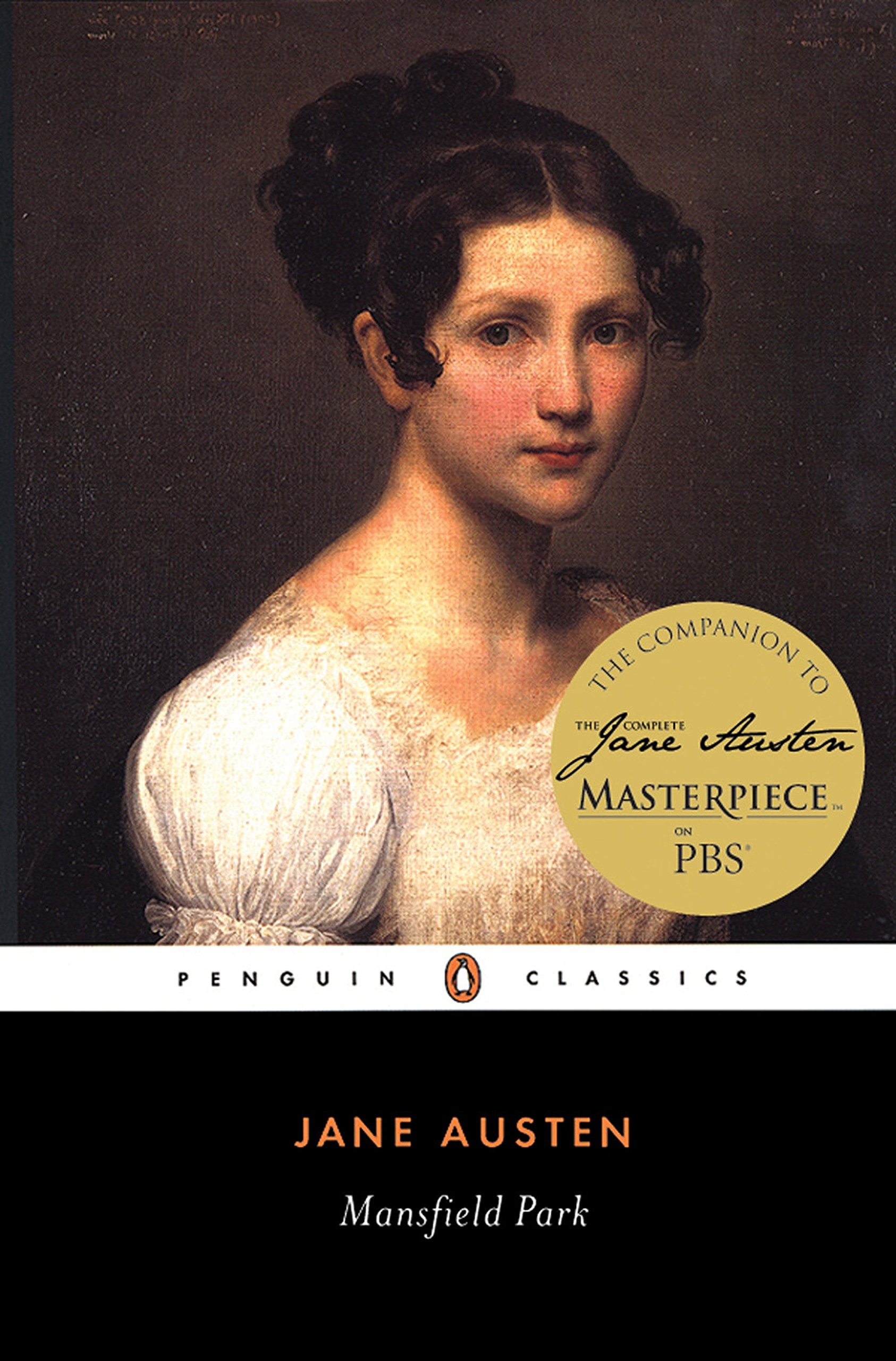

The full essay was published with ABO Journal based in the United States.

This work also has an accompanying talk + Q&A suitable to be delivered to GCSE/sixth form groups, school staff groups (i.e English/History teachers), colleges/universities, and heritage organisations.

Get in ContactHire Me

The Railway Children Return.

The arrival of 150,000 Black American troops to Britain meant there were more Black people here during The War, than in 1948 with the coming of postwar Caribbean migrants.

Extract:

“Morgan Matthews’ film takes inspiration from The Battle of Bamber Bridge (1943), of course using creative license and plotting that against a fictionalised context. Bamber Bridge is an example of a Black racial uprising against white terrorist violence in an English village. When the white US Military Police imposed Jim Crow-esque racism on its Black soldiers, they rebeled. Racial riots are not a new phenomenon that started from the arrival of the Windrush, but preceded it with different racially minoritised communities entirely, as early as 1919 with at least nine seaport riots.”

Full article was published on my Medium account.

Poem: ‘Earth 2 Neurotypicals’

I wrote this poem in a bout of sadness and it is a neurodivergent-lead commentary on ‘neurotypicality’.


Extract:

“do I ever tell you the times

when I feel oppressed by neurotypicals

they’re just in a bubble. Of course, it’s hard to see

these people with BAs, MScs, and PhDs

who often run institutions and companies so violently

I remember being not long out of nursery

where I thought others weird for dancing at my birthday party

and for that, I could feel the judgemental gaze from society

when little old me hated the idea of moving to sounds congruently

once upon a time, I thought it looked like walking … arrogantly

between the lines of Caribbean heritage and living neurotypically.”

Full poem can be found on my poetry page.

It comes inspired from ‘Dear Fellow People‘ by Elsie Roderiques

My Process

Across poetry, academic writing, creative nonfiction and journalism, I have an increasingly growing body of work that people have drawn from and used across numerous spheres including private sector, schools and universities.


Starting with spoken word poetry, my work has always commented and asked questions about the society we live in and the forces that govern all of our lives, showing how poetry can be used to make change.

Growing into nonfiction and journalism, I began to widen those skills I learned in spoken word into longer form opinion articles with publications like The Nenequirer, NN Journal, The Commoner, and Critical Studies of Television.


Poetry, journalism and nonfiction gave me a good basis to then write academically, including for ABO Journal and Leeds Beckett University CRED. In 2023, I was featured in the edited anthology COVID-19 and Racism: Counter-Stories of Colliding Pandemicsas well as edited poetry collection Part of the Story That Started Before Me: Poems About Black British History – Chosen By George the Poet


What began in poetry and other creative writing methods, has allowed me to developed a unique approach to work as a multi-disciplined creative writer, historian, and sociologist. Now, my work has been used acrossed many disciplines including criminology, neuroscience and screen studies.


See more here.